Digital Printing vs Flexo Printing vs Screen Printing for Packaging
Packaging Is Now a Branding Tool
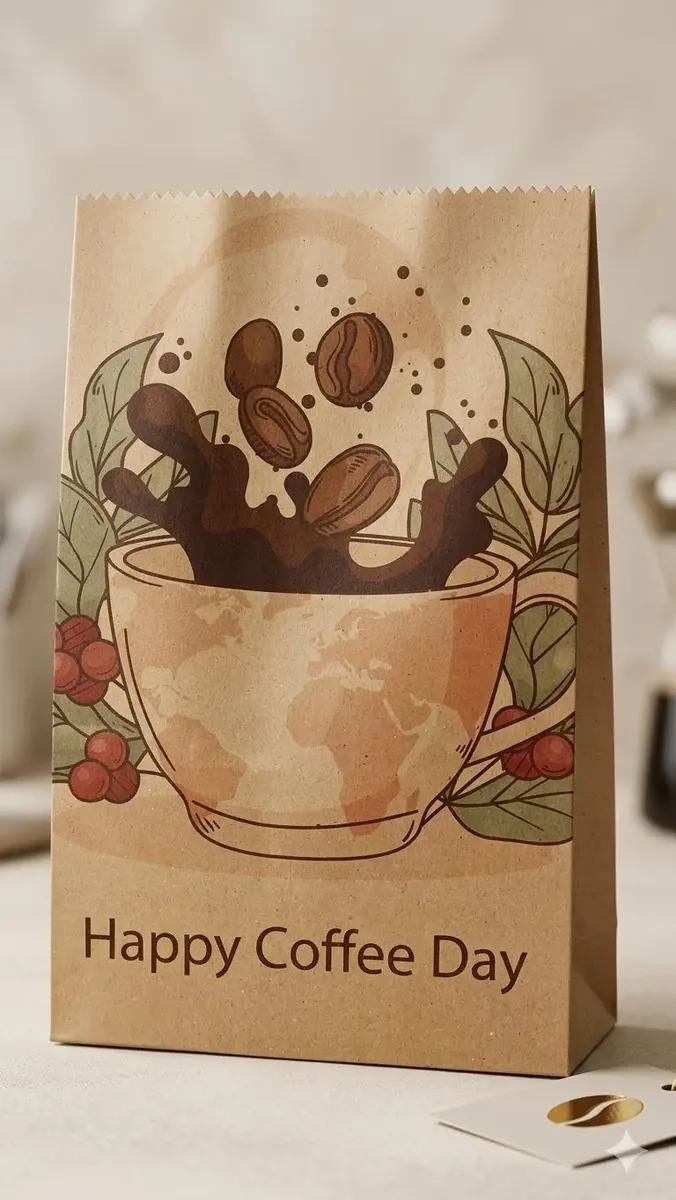
Packaging today is not just about wrapping products. For restaurants, cafés, bakeries, and event planners, packaging has become a powerful branding tool. Items like tissue papers, paper bags, cups, and boxes often carry a business logo, turning everyday packaging into brand marketing.
However, when businesses want to print their logo on packaging materials, they often face a common question:
Which printing method should we use?
The three most common packaging printing technologies used in the industry are:
- Digital Printing
- Flexographic Printing (Flexo Printing)
- Screen Printing
Each method works differently and is suitable for different order quantities, design complexity, and production needs.
Understanding the difference between these printing methods can help businesses choose the most cost-effective and efficient solution for custom packaging printing.
Digital Printing for Packaging
Digital printing is one of the most modern and advanced printing technologies used in packaging today. In digital printing, the design is printed directly from a digital file onto the material without using printing plates or screens.
This allows businesses to produce high-resolution multicolor logos with sharp details and consistent color quality.
Digital printing has become increasingly popular for custom printed tissue paper, paper bags, napkins, and cups used in restaurants and events.
Advantages of Digital Printing
- No printing plates or screens required
- Very low minimum order quantity
- Ideal for multicolor logos and detailed artwork
- Faster production and turnaround time
- Easy to change designs between print runs
Because there are no setup costs, digital printing is extremely useful for businesses that want small to medium quantity packaging with custom branding.
This method is especially suitable for:
- Restaurants and cafés
- Wedding planners and event organizers
- Corporate branding events
- Small businesses testing new packaging designs
Flexographic Printing (Flexo Printing)
Flexographic printing, commonly known as flexo printing, is widely used in large packaging manufacturing industries.
In this printing method, flexible rubber plates are mounted on rotating cylinders which transfer ink onto materials like paper, cardboard, and plastic films.
Flexo printing is designed for high-speed mass production, making it suitable for large factories producing packaging in very large quantities.
Advantages of Flexo Printing
- Extremely fast printing speed
- Very low cost per piece for large volumes
- Consistent quality in mass production
- Suitable for industrial packaging manufacturing
Large food brands and FMCG companies commonly use flexographic printing because it works efficiently for hundreds of thousands or millions of packaging units.
Limitations of Flexo Printing
Flexo printing requires custom printing plates to be manufactured before printing begins.
These plates increase the initial setup cost, which is why suppliers typically require large minimum order quantities ranging from 25,000 to 50,000 pieces or more.
Design changes also require new plates, which increases cost and production time.
Screen Printing for Packaging
Screen printing is one of the oldest printing techniques still used today.
This process uses a mesh screen and stencil to transfer ink onto the printing surface. A rubber blade called a squeegee pushes ink through the mesh to create the printed design.
Screen printing works well for simple logos and basic designs.
Advantages of Screen Printing
- Strong ink coverage
- Good for simple single-color logos
- Works on many types of materials
Screen printing is often used for small manual production setups and promotional items.
Limitations of Screen Printing
Screen printing becomes difficult when designs contain:
- Multiple colors
- Fine details
- High production volumes
Each color requires a separate screen, making the process slower and more complex for multicolor artwork.
Comparison of Digital Printing, Flexo Printing and Screen Printing
| Feature | Digital Printing | Flexo Printing | Screen Printing |
|---|---|---|---|
| Setup Cost | Very Low | High | Medium |
| Minimum Order Quantity | Very Low | Very High | Medium |
| Multicolor Printing | Excellent | Good | Limited |
| Design Changes | Instant | Requires new plates | Requires new screens |
| Best For | Small to Medium Orders | Mass Production | Simple Designs |
Best Printing Method for Restaurant Packaging
For restaurants, cafés, bakeries, and event planners, packaging needs often change frequently. Businesses may want to print:
- Logo on tissue papers
- Branding on paper bags
- Custom printed napkins
- Printed paper cups for cafés
Traditional printing methods like flexo printing often require very large order quantities, which may not be practical for smaller businesses.
Digital printing solves this problem by allowing businesses to print smaller quantities while maintaining high-quality branding.
This makes digital printing one of the most flexible packaging printing methods available today.
Why Custom Printed Packaging Matters for Branding
Custom packaging plays a key role in modern branding. When customers receive products in branded packaging, it reinforces brand identity and creates a more professional experience.
Printed items such as:
- Custom printed tissue papers
- Printed paper bags
- Branded paper cups
- Printed napkins
can transform ordinary packaging into a marketing tool that customers see every day.
For restaurants and cafés, even something as simple as a logo printed on a tissue paper can increase brand recall.
The Future of Packaging Printing
With the growth of small businesses, cafés, and online food brands, demand for custom printed packaging with flexible quantities is increasing rapidly.
Modern printing technologies are making it easier for businesses to create high-quality branded packaging without ordering massive quantities.
Digital printing is helping businesses turn everyday packaging into a powerful branding opportunity.